Posted on 3/15/2026

Car maintenance can get confusing because the advice you hear relates to how you actually drive. One person says follow the dashboard reminder, another says do everything early, and neither explains what happens if you sit in traffic all week. This FAQ keeps things simple with quick answers to the questions we hear the most. Use it as a guide, then let a real check confirm what your vehicle needs. 1. How Often Should I Change My Oil? Most vehicles do well when oil changes follow the manufacturer's interval, but short trips and mainly driving in stop-and-go can justify doing it a bit sooner. If your car burns oil or you do a lot of idling, checking the level between services is recommended. When in doubt, pick an interval you can stick to consistently. 2. What Is The Difference Between A Service Interval And The Dashboard Reminder? The reminder is based on mileage, time, and sometimes driving conditions, but it is still a general estimate. It m ... read more
Posted on 2/26/2026
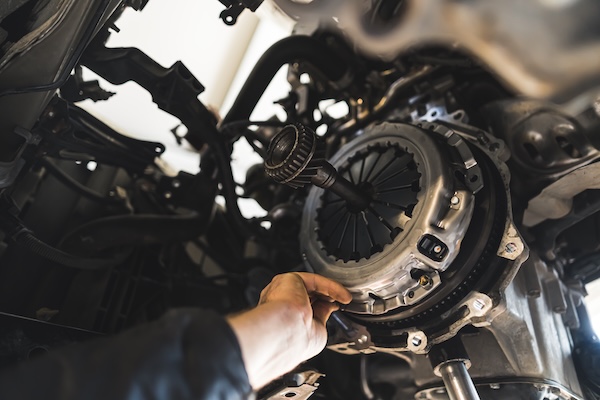
For drivers of manual transmission vehicles, the clutch is one of the most essential components for smooth, safe driving. Unlike automatic cars, vehicles with manual transmissions rely on the clutch to engage and disengage the engine from the transmission, enabling controlled gear changes. Over time, though, this critical part can wear down, leading to performance issues or even leaving you stranded. Knowing the signs of clutch wear and understanding when to schedule a repair can save you from costly repairs and maintain the driving experience you expect. What Is a Clutch and How Does It Work A clutch is a mechanical device that connects and disconnects the engine’s power from the transmission. When you press the clutch pedal, it disengages the engine, allowing you to change gears smoothly. When you release the pedal, the clutch re-engages, transferring engine power to the wheels. Manual-transmission cars, trucks, and even some high-performance or sports vehicles feature clutc ... read more
Posted on 1/30/2026

Most exhaust noises don’t show up when you’re idling in the driveway. They show up when you roll into the throttle, climb a hill, or merge onto the highway. That’s because acceleration puts the exhaust system under load. Flow increases, pressure changes, and the engine moves slightly on its mounts, which can turn a small weakness into a noise you can suddenly hear clearly. If you can describe the sound and when it happens, you’re already halfway to figuring out what’s going on. Why Exhaust Noises Show Up Under Acceleration When you accelerate, the engine produces more exhaust gas, and it moves more air through the pipes, catalytic converter, resonator, and muffler. Any small leak, loose bracket, or internal failure is more likely to make noise because the system is working harder. Acceleration also changes how the drivetrain shifts weight. The engine can rock slightly, which can make the exhaust pipe contact a crossmember, a heat shiel ... read more
Posted on 12/19/2025
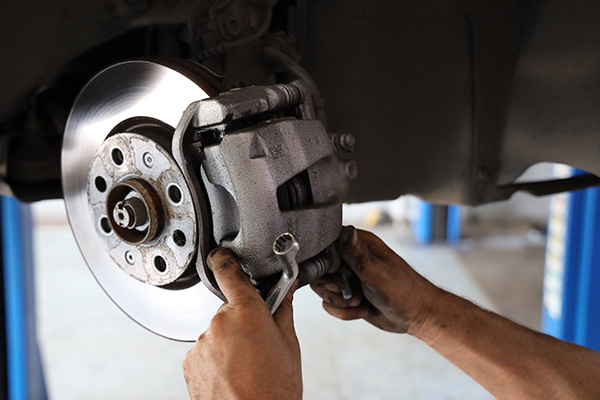
When an ABS light pops on, it is easy to assume the whole anti-lock system is failing. In many cases, though, the trouble comes down to just one wheel speed sensor. Even a single bad sensor can shut down ABS, traction control, and stability systems, and that is why the car feels so different on wet or slick roads when that light is on. What ABS Speed Sensors Actually Do Each ABS speed sensor sits near a tone ring or encoder at the wheel or hub. As the wheel turns, the sensor reads tiny changes in the magnetic or toothed ring and converts that movement into a speed signal. The ABS control module uses these signals to compare how fast each wheel is spinning, especially during braking. When all four sensors agree, the system can decide whether braking is smooth or a wheel is about to lock up. If one sensor suddenly shows the wrong speed, or no speed at all, the module can no longer trust the data, so it turns on the warning light and may disable ABS and related system ... read more
Posted on 11/28/2025
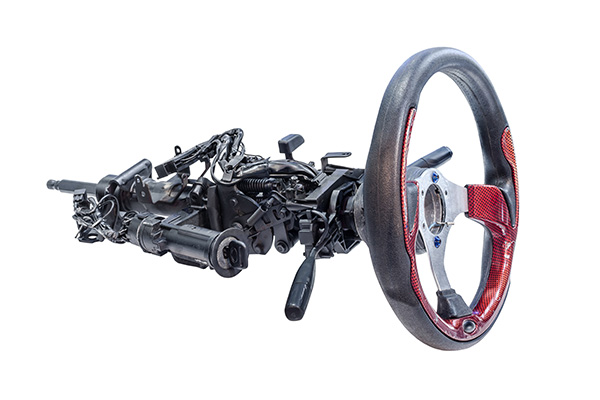
A steady whine when you turn the wheel can make every parking lot feel stressful. Power steering whine is common, and it often gets louder as the wheel approaches full lock. While the sound may come and go, it typically indicates a simple issue that requires attention, such as a fluid level or pump condition. Here is how to make sense of it and what to check first. What That Whining Noise Usually Means Most power steering systems use a belt-driven pump that circulates hydraulic fluid through a rack or steering gear. A high-pitched whine often means the pump is working harder than it should, usually because it is pulling in air or pushing fluid through a restriction. Air bubbles, low fluid, or a worn pump can all create that turbine-like sound that rises with engine speed or steering effort. Low or Aerated Power Steering Fluid Low fluid is the number one cause. When the reservoir drops below the pickup, the pump ingests air. Aerated fluid looks foam ... read more
