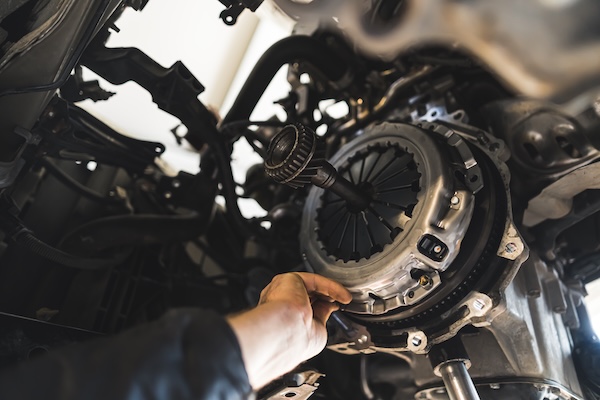
For drivers of manual transmission vehicles, the clutch is one of the most essential components for smooth, safe driving. Unlike automatic cars, vehicles with manual transmissions rely on the clutch to engage and disengage the engine from the transmission, enabling controlled gear changes. Over time, though, this critical part can wear down, leading to performance issues or even leaving you stranded. Knowing the signs of clutch wear and understanding when to schedule a repair can save you from costly repairs and maintain the driving experience you expect.
What Is a Clutch and How Does It Work
A clutch is a mechanical device that connects and disconnects the engine’s power from the transmission. When you press the clutch pedal, it disengages the engine, allowing you to change gears smoothly. When you release the pedal, the clutch re-engages, transferring engine power to the wheels.
Manual-transmission cars, trucks, and even some high-performance or sports vehicles feature clutches, though their design may vary slightly by make and model. Some modern performance cars even use dual-clutch systems for quicker shifts, but all rely on the same basic principle: regulating power transfer between the engine and wheels.
Because the clutch experiences friction each time you start, stop, or shift gears, it naturally wears out over time. How you drive, traffic conditions, and the type of vehicle all affect its lifespan.
Common Signs You Need Clutch Repair
Clutch problems rarely develop overnight—they tend to start small and worsen gradually. Some of the most common warning signs include:
- Slipping Clutch: The engine revs increase without a corresponding increase in vehicle speed, often noticed when accelerating or going uphill.
- Difficulty Shifting Gears: Grinding noises, resistance, or a sticky feeling when changing gears can indicate clutch or transmission issues.
- Spongy or Stiff Pedal: Changes in clutch pedal feel, whether unusually soft, stiff, or inconsistent, may signal worn components or a hydraulic problem.
- Unusual Noises: Squealing, chirping, or rattling noises when pressing the clutch can indicate wear in the clutch release bearing or pressure plate.
- Burning Smell: A faint burning odor, especially after heavy clutch use in traffic or on hills, can indicate overheating or friction-related issues.
Early detection of any of these signs is key. Ignoring clutch problems can lead to further transmission damage, resulting in a more costly repair.
Who Needs Clutch Repairs
Clutches are typically found in manual-transmission vehicles, including many compact cars, trucks, sports cars, and some commercial vehicles. While manual transmissions are less common in modern American cars, enthusiasts, drivers in challenging terrain, and owners of certain imported vehicles still rely on them. Trucks, vans, and other heavy-duty vehicles with manual transmissions also depend on robust clutch systems to handle torque and load.
Vehicles with automatic transmissions don’t have a conventional clutch pedal, but many use a torque converter or automated clutch system that can wear out over time, requiring similar maintenance. Knowing your vehicle type helps determine whether clutch maintenance is relevant for your car.
Tips for Maintaining Your Clutch
Proper driving habits can extend the life of your clutch and reduce the need for early repairs:
- Avoid resting your foot on the clutch pedal while driving.
- Don’t use the clutch to hold the car on hills; use the brake instead.
- Shift smoothly and avoid aggressive gear changes.
- Have your clutch system inspected regularly, especially if you notice minor issues.
Regular maintenance, including checking hydraulic fluid levels and inspecting the clutch system during scheduled service, can prevent small issues from becoming major repairs.
When to Schedule a Clutch Repair
If you experience slipping, difficulty shifting, unusual noises, or changes in pedal feel, it’s time to bring your vehicle to a professional. Early inspection can identify whether a simple adjustment, resurfacing, or full clutch replacement is necessary. Waiting too long can lead to transmission damage, which is far more expensive and time-consuming to repair.
Whether you drive a sporty manual coupe, a compact car, or a work truck, your clutch plays a vital role in safe, efficient driving. Monitoring signs of wear and addressing them promptly helps ensure your vehicle continues to perform at its best.
For reliable clutch inspection, repair, or replacement near Kearny, NJ, trust our experienced technicians to handle your vehicle with care. Schedule your clutch service at Autobahn Auto Repair today and keep your manual transmission running smoothly for miles to come.
