Posted on 6/26/2026
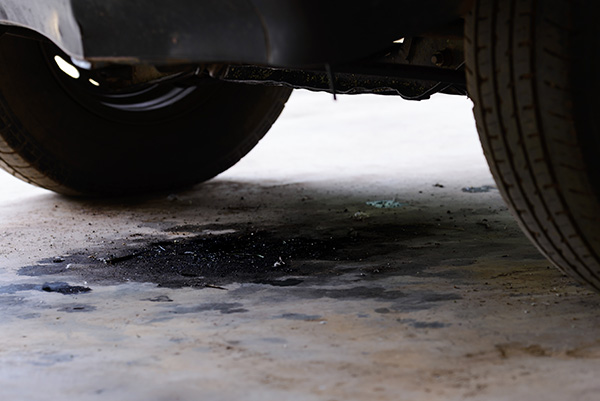
An oil leak can look like a small nuisance at first. You see a few spots on the driveway, smell something hot after parking, or notice oil collecting under the engine. Since the car still runs, it is easy to think the leak is only making a mess. Some oil leaks are minor for a while, but none should be ignored. Engine oil protects moving parts, helps control heat, and reduces internal wear. When oil leaks, the engine can lose protection, nearby parts can be damaged, and the repair can cost more than the original leak. Engine Oil Leaks Can Lower Oil Level The biggest concern with an oil leak is the oil level dropping too far. The engine needs enough oil to protect bearings, camshafts, timing parts, pistons, and other moving surfaces. If the level gets low, those parts can wear faster because they are not getting the protection they need. A small leak may not lower the level overnight, but it can add up over days or weeks. Some drivers do not notice until the oil pres ... read more
Posted on 6/19/2026
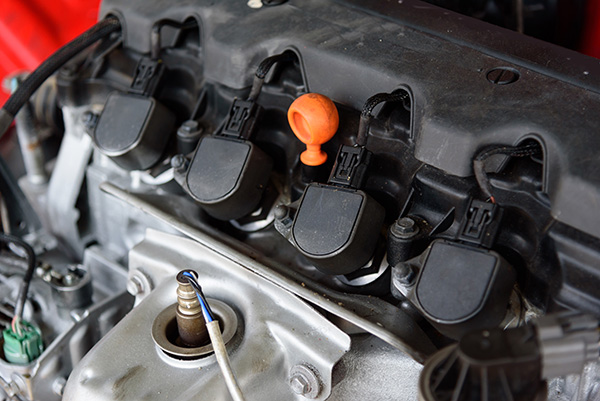
A blinking check engine light is not the same as a steady one. A steady light gives you a little more room to schedule service. A blinking light usually means the engine is misfiring right now, and that can damage expensive parts if the vehicle keeps being driven. Spark plugs and ignition coils are two of the most common causes behind that warning. They are small compared with the engine, but when they stop doing their job, the whole car can start shaking, hesitating, or running rough. Why A Blinking Check Engine Light Is More Urgent The check engine light blinks when the vehicle’s computer sees a problem serious enough to require faster attention. In many cases, that problem is an active misfire. A misfire means one or more cylinders are not burning the air-fuel mixture correctly. That unburned fuel can move into the exhaust and overheat the catalytic converter. Once the converter is damaged, the repair can become much more expensive than replacing worn igni ... read more
