Posted on 8/28/2026
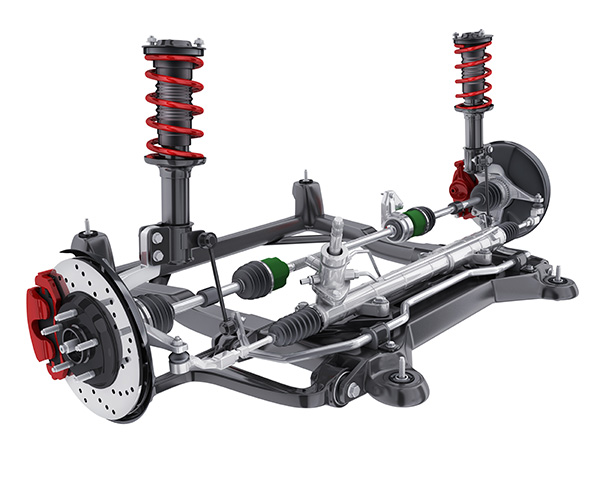
A sway bar helps control how much a vehicle’s body leans during turns. It connects the left and right sides of the suspension so they can resist excessive movement in opposite directions. When the vehicle corners, the outside suspension compresses while the inside suspension extends. The sway bar twists and transfers part of that force across the axle. This added resistance helps the vehicle feel more stable and predictable without preventing each wheel from moving over ordinary bumps. The component is also called an anti-roll bar or stabilizer bar. It does not support the vehicle’s full weight, but it plays an important role in steering response, cornering balance, and emergency handling. How a Sway Bar Controls Body Roll During a turn, the vehicle’s weight shifts toward the outside wheels. Without enough resistance, the body can lean heavily, changing tire loading and making the steering feel delayed or unsettled. The sway bar is a steel bar mou ... read more
Posted on 7/31/2026
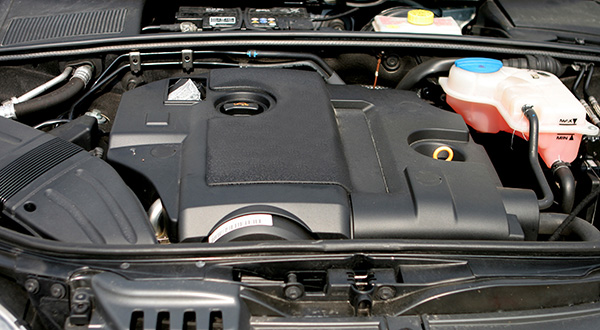
A car can lose its sharp response long before a warning light appears. You press the gas, but the vehicle feels lazy. It takes more effort to keep speed, the fuel gauge drops faster, and the drive feels heavier than it used to. Nothing on the dashboard indicates a problem, but something clearly feels off. That kind of change can come from several places. The engine may not be breathing well, the ignition system may be getting weak, the fuel system may be dirty, or the drivetrain may be creating extra drag. A warning light is helpful when it appears, but the absence of one does not mean everything is working at its best. The Engine May Not Be Getting Enough Air An engine needs a steady, measured flow of air to make power efficiently. If airflow is restricted or measured incorrectly, the car can feel sluggish and burn more fuel than normal. A dirty air filter is one simple possibility. When the filter is packed with debris, the engine has to work harder to pull in ai ... read more
Posted on 6/26/2026
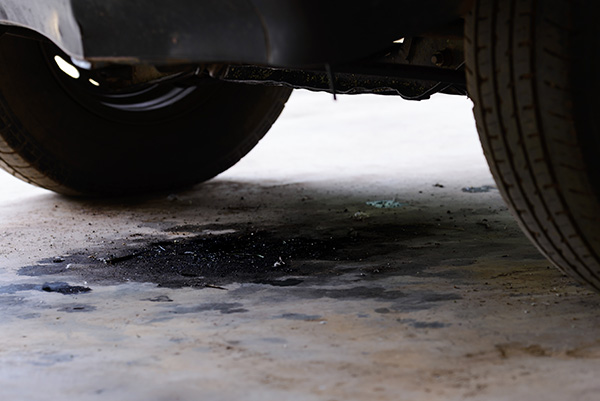
An oil leak can look like a small nuisance at first. You see a few spots on the driveway, smell something hot after parking, or notice oil collecting under the engine. Since the car still runs, it is easy to think the leak is only making a mess. Some oil leaks are minor for a while, but none should be ignored. Engine oil protects moving parts, helps control heat, and reduces internal wear. When oil leaks, the engine can lose protection, nearby parts can be damaged, and the repair can cost more than the original leak. Engine Oil Leaks Can Lower Oil Level The biggest concern with an oil leak is the oil level dropping too far. The engine needs enough oil to protect bearings, camshafts, timing parts, pistons, and other moving surfaces. If the level gets low, those parts can wear faster because they are not getting the protection they need. A small leak may not lower the level overnight, but it can add up over days or weeks. Some drivers do not notice until the oil pres ... read more
Posted on 6/19/2026
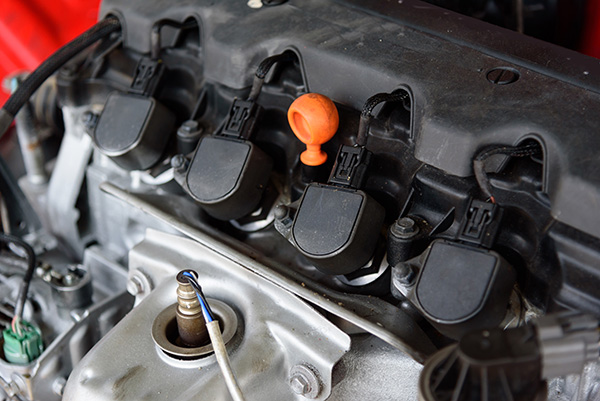
A blinking check engine light is not the same as a steady one. A steady light gives you a little more room to schedule service. A blinking light usually means the engine is misfiring right now, and that can damage expensive parts if the vehicle keeps being driven. Spark plugs and ignition coils are two of the most common causes behind that warning. They are small compared with the engine, but when they stop doing their job, the whole car can start shaking, hesitating, or running rough. Why A Blinking Check Engine Light Is More Urgent The check engine light blinks when the vehicle’s computer sees a problem serious enough to require faster attention. In many cases, that problem is an active misfire. A misfire means one or more cylinders are not burning the air-fuel mixture correctly. That unburned fuel can move into the exhaust and overheat the catalytic converter. Once the converter is damaged, the repair can become much more expensive than replacing worn igni ... read more
Posted on 4/15/2026
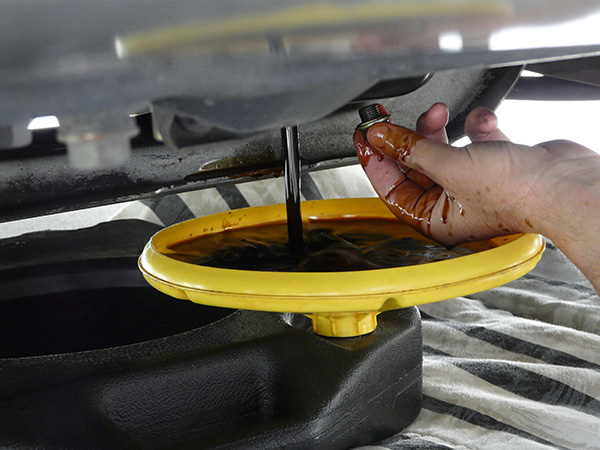
Most car problems begin with uncertainty, not a breakdown. Drivers notice a noise, a warning light, rough idling, lower gas mileage, or a puddle under the car, then start searching for answers before deciding whether the problem is urgent. That is why the same repair and maintenance questions keep coming up. Knowing the basics helps you react faster and spend more wisely. It also helps you tell the difference between a normal maintenance need and a symptom that deserves an inspection before it gets worse. 1. How Often Should I Change My Oil? Oil change intervals depend on the vehicle, oil type, mileage, and how the car is driven. Short trips, stop-and-go traffic, and extreme temperatures can accelerate oil wear. Waiting too long can lead to sludge, internal wear, and poor engine performance. 2. What Does The Check Engine Light Mean? A steady check engine light means the system has detected a fault that should be checked soon. A flashing check engi ... read more
