Posted on 8/29/2025

The Mini Cooper is one of the most recognizable cars ever built. With its compact dimensions, charming looks, and agile handling, it has earned a place in automotive history as both a cultural icon and a motorsport champion. But the Mini Cooper is more than just a small car—it is the product of clever engineering, a unique design philosophy, and a history that spans decades. The Origins of the Mini The story of the Mini begins in the late 1950s. In the wake of the Suez Crisis, fuel shortages and rising gasoline prices led drivers to seek small, fuel-efficient cars. The British Motor Corporation (BMC) tasked engineer Alec Issigonis with designing a compact car that could seat four passengers, be affordable, and deliver great fuel economy. Issigonis’s solution was revolutionary for the time. He used a transverse-mounted engine with front-wheel drive, which allowed for maximum interior space within a small footprint. The result was the original Mini, launch ... read more
Posted on 7/25/2025
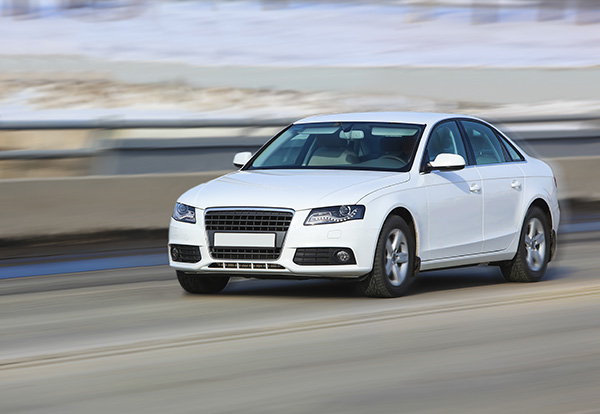
When it comes to automotive engineering, few names carry as much weight as Audi’s Quattro. Since its introduction in the early 1980s, Quattro has become synonymous with exceptional handling, all-weather capability, and confident driving dynamics. But what exactly makes this system so special, and why do so many drivers swear by it? Let’s explore what sets Audi’s Quattro all-wheel drive apart from the rest. The Origin of Quattro Audi first introduced the Quattro system in 1980 with the original Audi Quattro coupe. Inspired by lessons learned in rally racing, Audi engineers developed an all-wheel-drive system designed not only for off-road or rugged terrain but also for high-speed stability and cornering precision on paved roads. Quattro was groundbreaking because it offered drivers an unprecedented level of grip and control, regardless of weather or road conditions. It quickly became a defining feature of the brand and remains a core part of Audi&rs ... read more
Posted on 6/27/2025

Automotive history is full of interesting stories, and some of the most surprising ones involve vehicles we still see on the road today. At Autobahn Auto Repair in Kearny, NJ, we provide independent maintenance and repair services for Porsche® vehicles. Working with different models and generations gives us an appreciation for how much automotive technology has changed over the years. From early electric vehicles to unusual engineering partnerships, there's a lot more to this manufacturer's history than sports cars and racing. Here are five facts that even longtime enthusiasts might not know. Autobahn Auto Repair is an independent automotive repair business. We are not affiliated with, authorized by, or endorsed by Porsche. 1. Electric Vehicle Technology Dates Back to 1898 Long before electric cars became a familiar sight on American roads, Ferdinand Porsche helped develop an electric vehicle called the Egger-Lohner C ... read more
Posted on 5/30/2025
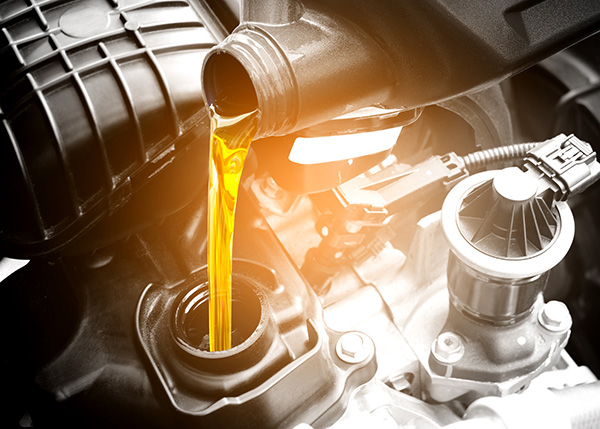
If you drive a German vehicle—like a BMW, Audi, Mercedes-Benz, or Volkswagen—you’ve probably been told that synthetic oil is a must. That’s not just advice; in most cases, it’s a requirement. These engines are engineered differently, with performance and durability in mind, and that means they place more stress on the oil that keeps everything running. We’ll explain why synthetic oil is essential for German cars and what distinguishes it from conventional options. German Engines Run Hotter and Cleaner Many German engines are built to deliver more power from smaller, turbocharged platforms. That means higher compression, more heat, and tighter internal clearances. These engines are efficient, but they run hotter than most and require an oil that won’t break down under thermal stress. Synthetic oil is engineered to resist thinning at high temperatures and maintain its viscosity longer than conventional oil. That means it keep ... read more
Posted on 4/25/2025

If you're planning to take your pickup truck off the pavement, your suspension setup becomes one of the most important decisions you'll make. Whether it's rocky trails, muddy climbs, or desert terrain, the right suspension determines how well your truck handles bumps, absorbs impacts, and maintains traction in unpredictable conditions. Factory setups are great for comfort and light hauling, but they’re not always built for the rigors of off-roading. So, what kind of suspension works best when you’re heading into the wild? Factory Suspension Isn’t Always Enough Most factory suspension systems are designed for a mix of road comfort, fuel economy, and moderate towing. That works well on highways and smooth roads—but once you start navigating rocks, ruts, or uneven ground, you need something tougher. Factory springs and shocks tend to be softer, offering comfort at the expense of articulation and durability. Over time, constant flexi ... read more