Posted on 11/28/2025
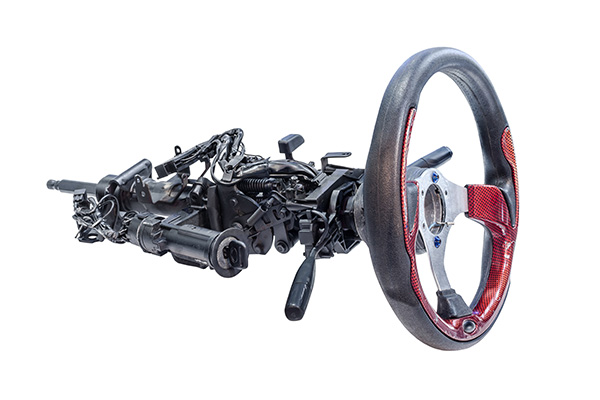
A steady whine when you turn the wheel can make every parking lot feel stressful. Power steering whine is common, and it often gets louder as the wheel approaches full lock. While the sound may come and go, it typically indicates a simple issue that requires attention, such as a fluid level or pump condition. Here is how to make sense of it and what to check first. What That Whining Noise Usually Means Most power steering systems use a belt-driven pump that circulates hydraulic fluid through a rack or steering gear. A high-pitched whine often means the pump is working harder than it should, usually because it is pulling in air or pushing fluid through a restriction. Air bubbles, low fluid, or a worn pump can all create that turbine-like sound that rises with engine speed or steering effort. Low or Aerated Power Steering Fluid Low fluid is the number one cause. When the reservoir drops below the pickup, the pump ingests air. Aerated fluid looks foam ... read more
Posted on 10/31/2025

Anyone who drives in New Jersey knows that traffic can be stressful. Congested highways, unpredictable drivers, and constant stop-and-go conditions can turn even a short commute into a frustrating experience. While you can’t control traffic itself, you can control how you respond to it. Staying calm behind the wheel not only makes the drive more enjoyable but also helps you stay safer and more focused. Here are some practical strategies to keep your cool when the roads test your patience. Give Yourself Extra Time Running late makes every traffic jam feel worse. By planning to leave earlier, you build in a buffer for delays. Even an extra ten or fifteen minutes can reduce stress because you’re no longer racing against the clock. Arriving early is far better than arriving tense and exhausted from battling traffic. Use Navigation Tools Wisely Modern GPS apps can reroute you around heavy traffic or provide updates about accidents and delay ... read more
Posted on 10/31/2025

Mercedes-Benz has built a reputation for combining luxury, technology, and performance into every vehicle it produces. Owners expect a high standard of engineering—and for the most part, that’s what they get. However, even premium cars have recurring trouble areas, and Mercedes is no exception. Whether you drive a C-Class sedan, an E-Class coupe, or a GLS SUV, knowing the most common issues can help you spot problems early and keep repair costs under control. Regular maintenance is key, but it’s also important to recognize when something isn't working the way it should. Here are five of the most common problems Mercedes-Benz drivers report, and what they may mean for your car. 1. Electrical System Malfunctions Modern Mercedes-Benz models come packed with technology. From advanced driver assistance systems to digital dashboards and seat controls, electronics are everywhere. While this improves comfort and convenience, it also means there are mo ... read more
Posted on 9/26/2025
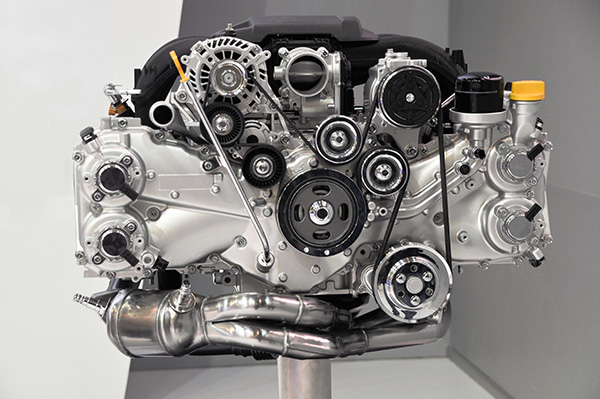
German-engineered vehicles are known for performance, precision, and advanced mechanical systems. But like any machine, they have their maintenance quirks, and one part that often causes problems over time is the serpentine belt. Whether you're driving a BMW, Audi, Mercedes-Benz, or Volkswagen, this belt plays a key role in keeping your engine accessories running smoothly. While it’s not necessarily a design flaw, the serpentine belt in many German cars is under high tension, operates in tight engine bays, and often weaves through complex routing systems. These factors make it more susceptible to wear and tear if not replaced at the right time. What the Serpentine Belt Actually Does The serpentine belt is responsible for transferring power from the engine's crankshaft to various components, including: The alternator, which charges your battery The power steering pump, which assists steering The air conditioning compressor In some models, the water ... read more
Posted on 8/29/2025

The Mini Cooper is one of the most recognizable cars ever built. With its compact dimensions, charming looks, and agile handling, it has earned a place in automotive history as both a cultural icon and a motorsport champion. But the Mini Cooper is more than just a small car—it is the product of clever engineering, a unique design philosophy, and a history that spans decades. The Origins of the Mini The story of the Mini begins in the late 1950s. In the wake of the Suez Crisis, fuel shortages and rising gasoline prices led drivers to seek small, fuel-efficient cars. The British Motor Corporation (BMC) tasked engineer Alec Issigonis with designing a compact car that could seat four passengers, be affordable, and deliver great fuel economy. Issigonis’s solution was revolutionary for the time. He used a transverse-mounted engine with front-wheel drive, which allowed for maximum interior space within a small footprint. The result was the original Mini, launch ... read more
